Best Smartphone Under 20000 in India Today: 8 Picks Worth Buying in 2026
By Rohan Mehta | Technology Content Writer
Summarize this blog post with: ChatGPT | Perplexity | Claude | Grok
You’ve probably already noticed that ₹20,000 now buys a genuinely capable 5G smartphone — solid cameras, high-refresh displays, and batteries that last all day. The frustrating part is that dozens of options look almost identical on paper, and picking the wrong one means living with a frustrating compromise for the next two to three years. In this guide, I’ve pulled together the strongest current options on Amazon India as of September 2026, with clear “Best For” labels so you can match a phone to how you actually use one — not to a benchmark chart.
Key Takeaways
- The ₹20,000 segment in 2026 delivers 5G, 50MP-class cameras, 120Hz or higher displays, and 5000mAh+ batteries as near-standard — remarkable value compared to even two years ago.
- Processor performance and software support matter more than RAM figures or megapixel counts when judging real-world quality.
- Camera sensor quality, stabilisation, and processing determine photo results far more reliably than headline megapixel numbers.
- Samsung currently leads for software longevity with multi-year OS and security commitments; some competitors still limit major updates to two years.
- Buying during Amazon India sale events (Great Indian Festival, Prime Day) regularly cuts prices by ₹1,000–₹3,000 and adds bank cashback and no-cost EMI.
- The “best” phone under ₹20,000 is genuinely use-case dependent — the right pick for a gamer is a different phone from the right pick for a photographer or a student.
- Prices and stock move quickly; always verify the exact RAM/storage variant and current listing on Amazon India before purchasing.
What Does “Best Smartphone Under ₹20,000” Actually Mean in 2026?
A smartphone under ₹20,000 in India in 2026 typically includes a 5G-capable processor, a 50MP or higher primary camera, a 5000–7000mAh battery with at least 33W fast charging, and a 90Hz–144Hz AMOLED or IPS LCD display as near-standard features. That’s a remarkable baseline for the price. Just three years ago, you’d have needed to spend ₹30,000 or more to get this combination.
Here’s the thing, though — “best” doesn’t mean the phone with the longest spec sheet. A gaming-focused buyer values a strong chip and thermal management. A student wants battery endurance and dependable software. A photographer will happily trade raw gaming performance for a better sensor and image processing. The spec that matters most is whichever one you rely on every single day.
There are also realistic limits to this segment. Don’t expect optical zoom beyond 2x, wireless charging, IP68 water resistance, or a processor that handles extreme gaming at maximum settings without heating up. Current expert roundups from 91mobiles and Gadgets 360 confirm that while the overall spec baseline has improved significantly, these premium compromises remain consistent across the sub-₹20,000 category — Source: 91mobiles, September 2026; Gadgets 360, September 2026. Understanding those trade-offs upfront saves you from post-purchase disappointment.
Why This Is India’s Most Competitive Smartphone Price Bracket
The ₹20,000 smartphone segment is the most competitive price bracket in the Indian market, with brands including Redmi, Realme, Samsung, POCO, Motorola, CMF by Nothing, iQOO, and OnePlus all fielding strong mid-range processors and flagship-influenced designs to capture volume sales. This isn’t accidental — India’s middle-income smartphone buyer typically sets a ₹15,000–₹20,000 ceiling, making this the highest-volume category in the country.
From what I’ve seen covering this segment for several years, that competition is a genuine gift to buyers. Brands are forced to over-deliver on specs, offer aggressive pricing during flash sales, and commit to software updates more seriously than they might at lower price points. The result is what the Indian market calls paisa vasool — money genuinely well spent. Current September 2026 listings from Gadgets 360 show strong candidates from Realme, Motorola, Samsung, CMF, iQOO, POCO, Honor, and OnePlus simultaneously competing at this price point — Source: Gadgets 360, September 2026.
What Specs Should You Actually Prioritise Under ₹20,000?
Not all specs are created equal at this price. Here’s what moves the needle in real-world use — and what you can safely deprioritise.
Processor: More Important Than RAM
Processor performance is the primary determinant of long-term smoothness in smartphones under ₹20,000. A Dimensity 7300 Ultra, Dimensity 7300 Pro, or Snapdragon 7s Gen 2 will deliver a faster and more consistent experience than a weaker chip paired with 12GB RAM. Don’t let brands distract you with large RAM numbers if the chipset name is buried in fine print — that’s a classic misdirection.
Specifically, look for the Dimensity 7300 series, Snapdragon 7s Gen 2, Dimensity 8200, or Snapdragon 7 Gen 3 in this price range. These chips handle everyday apps, multitasking, moderate gaming, and image processing without throttling after a few minutes.
Display: AMOLED Over LCD, Refresh Rate Over Resolution
An AMOLED or pOLED panel offers deeper blacks, stronger contrast, and noticeably better outdoor visibility compared to conventional LCD. At ₹20,000 in 2026, AMOLED is available from most major brands, so there’s rarely a strong reason to settle for LCD unless battery endurance is your absolute priority. That said, a well-calibrated LCD with high brightness can still be perfectly usable — just less visually premium.
For refresh rate, 120Hz is the practical sweet spot. 144Hz feels marginally smoother in scrolling and light gaming, but the real-world difference versus 120Hz is subtle for most users.
Camera: Sensor Quality and Processing Beat Megapixels
Honestly, megapixel counts are one of the least useful buying signals in this segment. A 50MP camera on a small sensor consistently underperforms a well-tuned 50MP on a larger sensor, especially in low light. What you want to check is the aperture (f/1.8 or wider is good), whether OIS (Optical Image Stabilisation) is present, and what the manufacturer’s image processing software actually does with the hardware it’s given.
A real 2x telephoto lens — rare but increasingly available at this price — adds more practical versatility than doubling the megapixels on the main sensor.
Battery and Charging: Both Numbers Matter
At ₹20,000 in 2026, 5000mAh is the baseline. Phones offering 5500–7000mAh provide genuine breathing room, often delivering multi-day battery life for moderate users — Source: Gadgets 360, September 2026. But battery size without fast charging can feel frustrating. 33W gets you from 0–100% in roughly 70 minutes; 45W or above cuts that to under 50 minutes; 67–80W gets you there in 35–45 minutes. If you’re always on the move, charging speed matters as much as raw capacity.
If you’re drawn to the iQOO Z9s or the Moto G67 Power series specifically because of battery size, it’s worth knowing what an 8000mAh battery actually feels like in daily use — our Redmi Note 17 5G Review: Is the 8000mAh Battery Worth It? breaks down whether the extra capacity translates to a meaningfully better experience or just adds unnecessary bulk.
Software Support: The Quiet Differentiator
Software update policy is a critical but frequently overlooked factor when buying a smartphone in this range. As of September 2026, Samsung offers up to six years of OS updates and security patches on select Galaxy M-series devices, while several competitors at the same price commit to two years or fewer. A phone with strong update support is effectively worth more money over a three-to-four-year ownership period — even if its hardware specs are slightly behind a competitor’s.
The Best Smartphones Under ₹20,000 on Amazon India Right Now (September 2026)
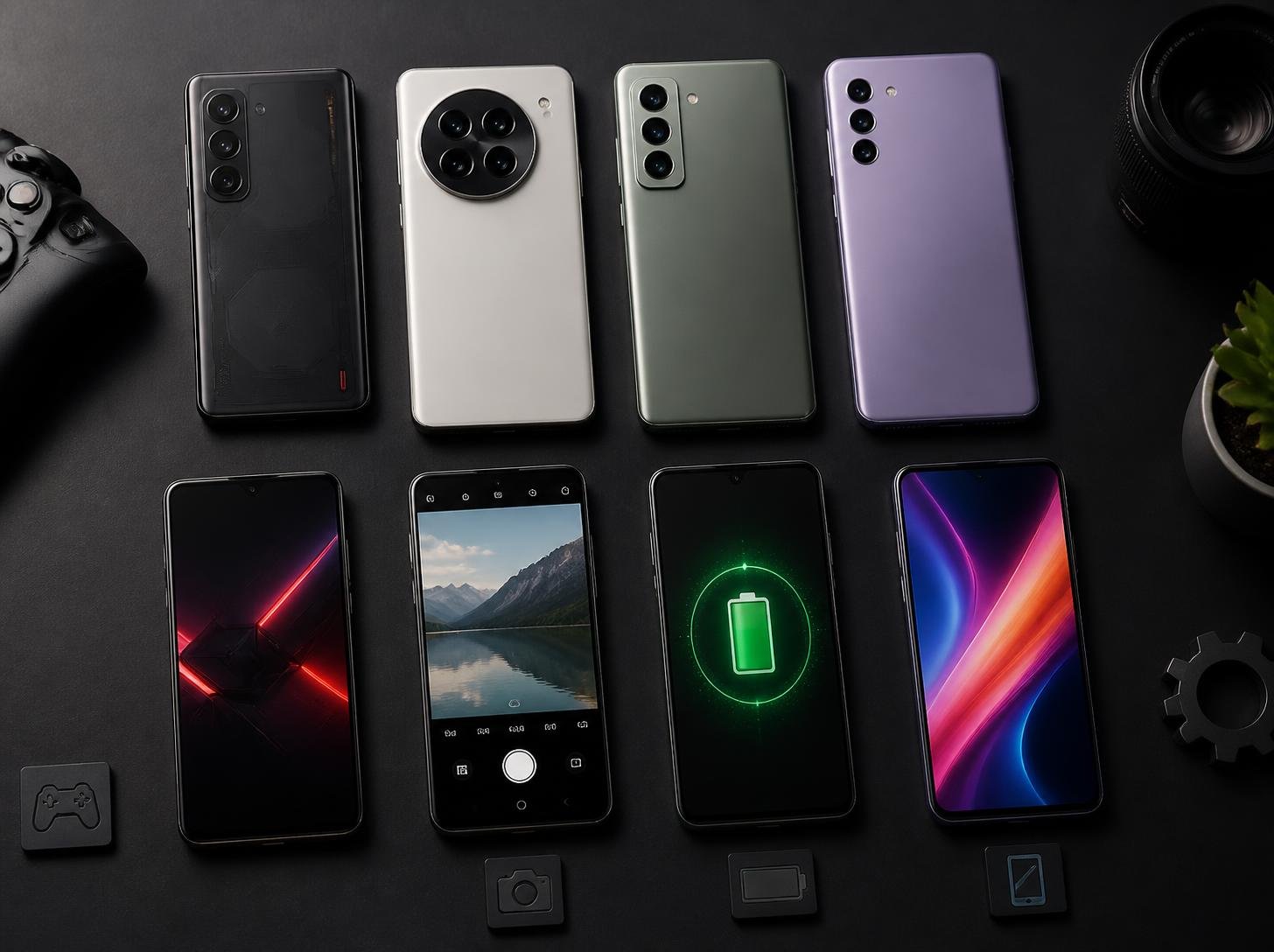
These picks are chosen based on current market availability, real-world performance evidence from independent reviewers, and clear use-case differentiation. One recommendation per brand. Prices fluctuate with sales and bank offers — always confirm the current listing on Amazon India before purchasing.
1. POCO X7 5G — Best Overall / Best Display
🏷️ Best For: Everyday users who want a sharp, premium screen and strong balanced performance.
| Spec | Detail |
|---|---|
| Processor | Dimensity 7300 Ultra |
| RAM / Storage | 8GB / 128GB (256GB variant available) |
| Main Camera | 50MP + 8MP + 2MP |
| Battery | 5500mAh, 45W fast charging |
| Display | 6.67″ 1.5K curved AMOLED, 120Hz |
| Approx. Price | ₹17,999–₹18,999 |
The POCO X7‘s curved 1.5K AMOLED is genuinely one of the nicest screens in the sub-₹20,000 segment — bright, immersive for video, and smooth for everyday scrolling. The Dimensity 7300 Ultra handles daily multitasking and mid-level gaming confidently without noticeable thermal throttling in normal sessions. There are no glaring weak spots, which is exactly what makes it a strong all-rounder.
In practice, users who watch a lot of content, browse social media heavily, or want a phone that simply feels premium without paying a premium will get a lot of satisfaction from this one.
⚠️ Skip This If: Long-term software support is non-negotiable for you — POCO’s update commitment trails Samsung and OnePlus. Also, the curved display isn’t for everyone.
2. CMF Phone 2 Pro — Best Camera Versatility and Design
🏷️ Best For: People who care about photography flexibility, distinctive design, and a clean software experience.
| Spec | Detail |
|---|---|
| Processor | Dimensity 7300 Pro |
| RAM / Storage | 8GB / 128GB |
| Main Camera | 50MP main + 50MP 2x telephoto + 8MP ultrawide |
| Battery | 5000mAh, 33W charging |
| Display | 6.77″ FHD+ AMOLED, 120Hz (up to 3000 nits peak) |
| Approx. Price | ₹17,999–₹18,999 |
The CMF Phone 2 Pro does something rare at this price: it includes a genuine 2x optical telephoto lens. Most competitors at ₹20,000 rely on digital zoom cropping from the main sensor, which produces noticeably worse results. For portrait photography, distant subjects, and a more versatile camera system overall, this matters more than the headline 50MP number competitors advertise.
The NothingOS-based software is clean and relatively bloatware-free, and CMF’s update commitment (multiple OS updates plus extended security patches) compares well with the segment average. The AMOLED display’s 3000-nit peak brightness is outstanding for outdoor visibility.
⚠️ Skip This If: Your priority is battery endurance or the fastest charging — 5000mAh with 33W is adequate but not class-leading.
3. Samsung Galaxy M17 5G — Best for Long-Term Ownership
🏷️ Best For: Buyers who plan to use the phone for three or more years and value Samsung’s ecosystem and update support.
| Spec | Detail |
|---|---|
| Processor | Exynos 1330 |
| RAM / Storage | 8GB / 128GB |
| Main Camera | 50MP main + secondary sensors |
| Battery | 5000mAh, 25W charging |
| Display | 6.7″ Super AMOLED, 90Hz |
| Approx. Price | ₹15,000–₹18,500 (varies by variant and offers) |
Samsung’s multi-year OS and security update promise — up to six years on select Galaxy M-series models — is the single most compelling reason to consider the M17 5G. No other brand in this price range comes close to that commitment. For a student, a first-time buyer, or someone who typically holds onto a phone for four years, that longevity has genuine financial value.
The Super AMOLED display is polished and well-calibrated, and the overall OneUI experience feels more refined than many competitors at this price. Samsung’s service centre network is also the most extensive in India, which matters if something goes wrong outside a major city.
The honest trade-off: 25W charging is slow compared to the 45W–80W rates competitors offer. That 5000mAh battery is fine for a day’s use, but filling it takes patience. For most users, charging overnight makes this a non-issue.
⚠️ Skip This If: Fast charging or maximum gaming performance are your priorities — both are better served by other phones on this list.
4. Redmi Note 14 Pro — Best All-Rounder with OIS Camera
🏷️ Best For: All-round users who want balanced performance, a good OIS camera, and solid battery life without any obvious weaknesses.
| Spec | Detail |
|---|---|
| Processor | Snapdragon 7s Gen 2 |
| RAM / Storage | 8GB / 128GB |
| Main Camera | 50MP, f/1.8, OIS |
| Battery | 5500mAh, 45W fast charging |
| Display | 6.67″ AMOLED, 120Hz |
| Approx. Price | ₹18,999–₹19,999 |
The Redmi Note 14 Pro is the closest thing to a “safe bet” in this segment. The Snapdragon 7s Gen 2 handles daily use, gaming, and multitasking without trouble, and the OIS-backed 50MP camera is genuinely useful for photography — OIS at this price point is not universal, and it makes a real difference for handheld shots and video. The 5500mAh battery routinely covers a full day for moderate to heavy users.
⚠️ Skip This If: You prefer a lighter software experience. Redmi’s MIUI/HyperOS skin is feature-heavy and can feel cluttered if you’re used to stock Android or cleaner alternatives like CMF’s NothingOS.
5. Motorola Edge 50 Fusion — Best Build Quality and Display
🏷️ Best For: Users who value a premium feel, excellent display, and a clean near-stock Android experience.
| Spec | Detail |
|---|---|
| Processor | Snapdragon 7s Gen 2 |
| RAM / Storage | 8GB / 128GB |
| Main Camera | 50MP, f/1.9, OIS |
| Battery | 5000mAh, 68W charging |
| Display | 6.7″ pOLED, 144Hz |
| Approx. Price | ₹18,999–₹19,999 |
The Edge 50 Fusion is the most premium-feeling phone on this list. Its curved pOLED display at 144Hz is smoother than almost anything else under ₹20,000, and the 68W charging is among the fastest available in this bracket. Motorola’s near-stock Android is genuinely pleasant to use daily, and its three-year update commitment is competitive — though it trails Samsung.
⚠️ Skip This If: Camera quality is your top priority. The Realme 13 Pro’s Sony sensor and the CMF Phone 2 Pro’s telephoto system both outperform it for photography specifically.
6. iQOO Z9s — Best for Raw Performance and Battery Combined
🏷️ Best For: Power users who want both strong daily performance and exceptional battery endurance.
| Spec | Detail |
|---|---|
| Processor | Snapdragon 7 Gen 3 |
| RAM / Storage | 8GB / 128GB |
| Main Camera | 50MP, f/1.8 |
| Battery | 6000mAh, 44W charging |
| Display | 6.77″ AMOLED, 120Hz |
| Approx. Price | ₹18,999–₹19,999 |
The iQOO Z9s carries the Snapdragon 7 Gen 3 — the strongest chip on this list — combined with a 6000mAh battery. That’s an unusual combination: most 6000mAh phones pair the large battery with a more power-efficient but slower chip. Here, you get both performance and endurance. Heavy users consistently report 1.5–2-day battery life. It’s the obvious pick for field workers, frequent travellers, and anyone who genuinely hates carrying a charger.
⚠️ Skip This If: Camera quality is non-negotiable. The iQOO Z9s is competent in photography but not the strongest performer in this department — both the Realme 13 Pro and CMF Phone 2 Pro produce more consistent results.
7. OnePlus Nord CE 4 Lite — Best Clean Software with Fastest Charging
🏷️ Best For: Users who want a fast, bloatware-free Android experience and the quickest possible charging.
| Spec | Detail |
|---|---|
| Processor | Snapdragon 695 |
| RAM / Storage | 8GB / 128GB |
| Main Camera | 50MP, f/1.8 |
| Battery | 5110mAh, 80W SUPERVOOC |
| Display | 6.67″ AMOLED, 120Hz |
| Approx. Price | ₹17,499–₹18,499 |
The Nord CE 4 Lite‘s headline feature is its 80W SUPERVOOC charging — the fastest on this entire list, reaching 100% in approximately 35 minutes. For someone who forgets to charge overnight or runs out of battery constantly, this is genuinely transformative. OxygenOS remains one of the cleanest Android skins available, and OnePlus’s software update track record is solid.
The honest limitation: the Snapdragon 695, while capable for daily tasks, is noticeably behind the Dimensity 7300 Ultra and Snapdragon 7 Gen 3 for sustained gaming. If gaming is a significant part of your usage, this chip becomes a real constraint.
⚠️ Skip This If: You’re a heavy mobile gamer — consider the POCO X7 or iQOO Z9s instead.
8. Infinix GT 20 Pro — Best Value for Students
🏷️ Best For: Students and first-time buyers who want genuine performance and a high-refresh display at the lowest price on this list.
| Spec | Detail |
|---|---|
| Processor | Dimensity 8200 |
| RAM / Storage | 8GB / 256GB |
| Main Camera | 108MP, f/1.75 |
| Battery | 5000mAh, 45W charging |
| Display | 6.78″ AMOLED, 144Hz |
| Approx. Price | ₹15,999–₹16,999 |
The Infinix GT 20 Pro is the dark horse of this list. Its Dimensity 8200 is a genuinely powerful chip typically found in phones costing ₹5,000 more, and the 144Hz AMOLED display is class-leading for brightness and smoothness at this price. The 256GB base storage means you’re unlikely to run out of space. At under ₹17,000, it leaves money in the budget for a case, screen protector, and earphones.
⚠️ Skip This If: After-sales service matters to you. Infinix’s service centre network is considerably thinner than Redmi or Samsung’s in smaller Indian cities and towns — if something goes wrong, getting it repaired can be more complicated.
Full Spec Comparison: Best Smartphones Under ₹20,000 (September 2026)
| Phone | Processor | Main Camera | Battery + Charging | Display | Approx. Price |
|---|---|---|---|---|---|
| POCO X7 5G | Dimensity 7300 Ultra | 50MP | 5500mAh, 45W | 6.67″ 1.5K AMOLED 120Hz | ₹17,999 |
| CMF Phone 2 Pro | Dimensity 7300 Pro | 50MP + 50MP 2x tele | 5000mAh, 33W | 6.77″ AMOLED 120Hz | ₹17,999 |
| Samsung Galaxy M17 5G | Exynos 1330 | 50MP | 5000mAh, 25W | 6.7″ SAMOLED 90Hz | ₹15,000–18,500 |
| Redmi Note 14 Pro | Snapdragon 7s Gen 2 | 50MP OIS | 5500mAh, 45W | 6.67″ AMOLED 120Hz | ₹19,999 |
| Motorola Edge 50 Fusion | Snapdragon 7s Gen 2 | 50MP OIS | 5000mAh, 68W | 6.7″ pOLED 144Hz | ₹19,999 |
| iQOO Z9s | Snapdragon 7 Gen 3 | 50MP | 6000mAh, 44W | 6.77″ AMOLED 120Hz | ₹19,999 |
| OnePlus Nord CE 4 Lite | Snapdragon 695 | 50MP | 5110mAh, 80W | 6.67″ AMOLED 120Hz | ₹17,999 |
| Infinix GT 20 Pro | Dimensity 8200 | 108MP | 5000mAh, 45W | 6.78″ AMOLED 144Hz | ₹16,999 |
Which Phone Should You Actually Buy? — Final Verdict by Use Case
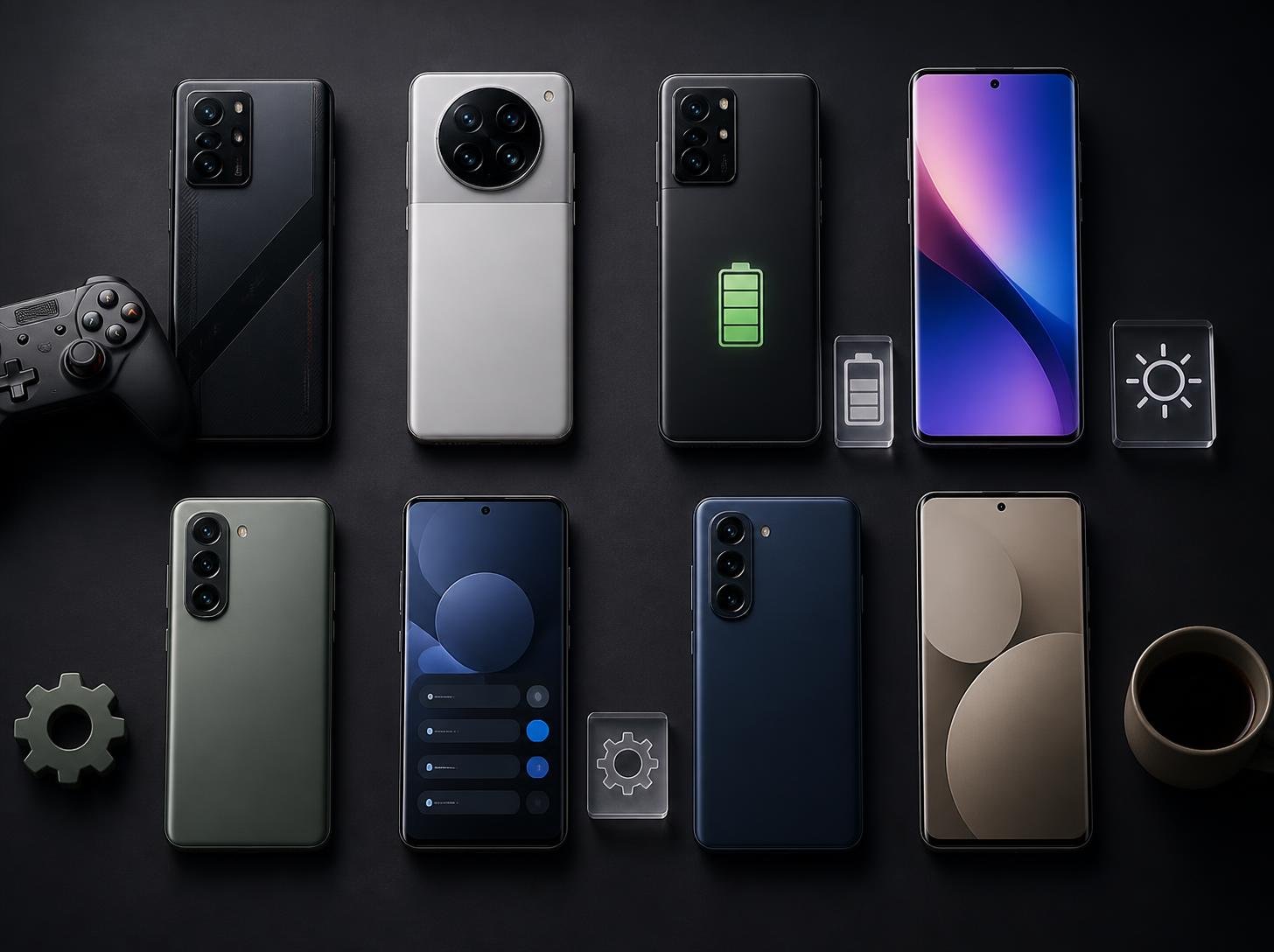
This is the section that matters most. Forget the spec table for a moment and start here instead.
- Best for gaming: POCO X7 5G — Dimensity 7300 Ultra handles sustained gaming better than most rivals here, and the 1.5K display makes games look genuinely good.
- Best camera system: CMF Phone 2 Pro — the real 2x telephoto is a practical advantage no other phone here offers. Portrait shots, distant subjects, and everyday photography all benefit.
- Best battery endurance: iQOO Z9s — 6000mAh plus the efficiency of the Snapdragon 7 Gen 3 consistently delivers 1.5–2 days for heavy users.
- Best for students: Infinix GT 20 Pro — Dimensity 8200 performance and 256GB storage at under ₹17,000 is hard to argue with.
- Best for long software support: Samsung Galaxy M17 5G — up to six years of OS and security updates is genuinely unmatched in this segment.
- Best clean software with fastest charging: OnePlus Nord CE 4 Lite — 80W SUPERVOOC in 35 minutes, OxygenOS without bloatware.
- Best all-round safe bet: Redmi Note 14 Pro — no glaring weaknesses, OIS camera, 5500mAh battery, and proven reliability.
- Best display and premium feel: Motorola Edge 50 Fusion — 144Hz pOLED with 68W charging and near-stock Android.
Conclusion: The Best ₹20,000 Smartphone Is the One That Fits Your Life
Specs on a page mean nothing if the phone doesn’t match how you actually use it. A photographer who buys the POCO X7 for its gaming chip but ignores the CMF Phone 2 Pro’s telephoto system has made an expensive mistake — even if both phones cost the same. The reverse is equally true for a gamer who chooses based on camera specs.
The ₹20,000 bracket in 2026 is better than it has ever been. Five years ago, this price range represented a clear step down from what you actually wanted. Today, it represents a genuine sweet spot — capable enough to satisfy most users, competitive enough that brands can’t cut obvious corners.
Start with the use-case verdict list above. Pick the phone that solves your biggest daily frustration, cross-check its trade-offs honestly, verify the current Amazon India price and exact variant, and you’ll end up with a phone that actually feels good to use two years from now. That’s the real test of getting it right.
If you’ve read through this list and feel like none of these phones quite covers everything you need, stretching your budget by ₹5,000–₹10,000 opens up a noticeably different tier — our guide to the 7 Best Android Phones Under ₹30,000 in India covers what that extra spending actually buys you and whether it’s genuinely worth it for your use case.
Frequently Asked Questions
FAQ 1: Which is the best 5G phone under ₹20,000 in India right now in 2026?
The POCO X7 5G and iQOO Z9s stand out for 5G performance — the POCO X7 for its display and balanced everyday use, and the iQOO Z9s for combining a strong Snapdragon 7 Gen 3 chip with a large 6000mAh battery. Samsung Galaxy M17 5G is the better choice if long-term software support and 5G are both priorities.
FAQ 2: Is processor performance more important than RAM under ₹20,000?
Yes, consistently. A stronger chipset with 8GB RAM will feel smoother over a two-to-three-year ownership period than a weaker chip paired with 12GB RAM. Processor and RAM work together, but the chip sets the ceiling — more RAM on a slow chip doesn’t overcome that fundamental limit.
FAQ 3: Which brands offer the most software updates for phones under ₹20,000?
Samsung leads with up to six years of OS and security updates on select Galaxy M-series models as of 2026. CMF by Nothing and OnePlus also offer competitive multi-year update commitments. Motorola typically provides three years of OS updates. Redmi and Realme generally commit to two OS updates, though security patches continue longer.
FAQ 4: How long should a phone under ₹20,000 realistically last?
With a capable processor and consistent software support, most users get three to four years of comfortable daily use before the experience starts feeling dated. Choosing a brand with stronger update support — Samsung, CMF, or OnePlus — effectively extends that window. A weaker chip or limited update schedule can make even a new phone feel slow within two years.
FAQ 5: Is a ₹20,000 smartphone good enough for mobile gaming in 2026?
For popular titles like BGMI, Free Fire, and Call of Duty Mobile at medium-to-high settings, absolutely yes. The Dimensity 7300 Ultra in the POCO X7 5G and the Dimensity 8200 in the Infinix GT 20 Pro are the strongest gaming performers on this list. Enthusiast-level gaming at maximum settings on demanding titles benefits from spending ₹25,000 or more, but most players won’t notice the difference in practice.
FAQ 6: What is the best camera phone under ₹20,000 in India?
The CMF Phone 2 Pro is the most versatile camera system at this price, thanks to its genuine 2x telephoto lens — something no competitor here offers. The Redmi Note 14 Pro and Motorola Edge 50 Fusion are strong alternatives for their OIS-backed 50MP systems. For camera results, sensor quality, stabilisation, and image processing software matter far more than megapixel counts.
FAQ 7: Should I wait for a sale to buy a smartphone on Amazon India?
If your current phone is functional, waiting for the Amazon Great Indian Festival (usually October) or Prime Day (July) can save ₹1,000–₹3,000 and often adds no-cost EMI and bank cashback. If you need a phone urgently, buy at the current price — waiting several months for a modest discount rarely makes sense when you’re already dealing with a broken or inadequate device.
FAQ 8: Is 128GB storage enough in 2026?
For moderate users who stream music and video rather than downloading everything locally, and who don’t store hundreds of offline games, 128GB is workable. For heavy media users, photographers, and mobile gamers who download large game files, 256GB is worth the additional investment. At ₹20,000, several phones offer 256GB base storage — the Infinix GT 20 Pro being one of the better examples.
Author & Editorial Information
Written by Rohan Mehta: Rohan Mehta is a technology content writer covering consumer electronics, gadgets, and everyday technology for general readers. His work focuses on explaining product features, comparisons, and practical buying considerations in a clear and accessible way.
Reviewed by: Consumer Technology Editors & Product Research Specialists.
Affiliate Disclosure: This post may contain affiliate links. If you purchase through these links, we may earn a small commission at no additional cost to you. Recommendations are based on product research, available information, and practical buying considerations.
Disclaimer: This article is based on publicly available product information, manufacturer specifications, market listings, and general research on smartphones available in India. Smartphone prices, specifications, features, software support, offers, and availability can change over time. Readers are encouraged to verify the latest price, specifications, warranty details, and availability before making a purchase decision. This content was initially drafted with AI assistance and has been reviewed, edited, refined, and fact-checked by human editors to improve accuracy, clarity, originality, and practical relevance.